The Cultural Power of the Side Hustle
The side hustle has become one of the defining ideas of modern work. What once might have been described simply as a second job is now presented as something more ambitious.
By Leila Odiaiv on July 14, 2026

The side hustle has become one of the defining ideas of modern work.
What once might have been described simply as a second job is now presented as something more ambitious. A side hustle can be a small business, freelance service, online shop, creative project, consulting practice, content platform, or additional source of income built outside a traditional job.
Social media has helped turn side hustles into a cultural movement.
People share stories of building businesses from their bedrooms, earning money from hobbies, leaving traditional employment, and creating careers on their own terms. The message is appealing: you don’t need to wait for a promotion, employer, or perfect opportunity. You can create something yourself.
For many people, side hustles have created real independence, financial security, and professional opportunities.
But their popularity also reflects something more complicated.
The rise of the side hustle says as much about economic pressure and uncertainty as it does about ambition.
The side hustle changed the meaning of work
For much of the twentieth century, the traditional career path followed a relatively predictable structure.
People found full-time employment, developed experience, received promotions, and relied on one primary income.
That model still exists, but it no longer feels as secure or desirable to everyone.
Technology has made it easier to earn money outside traditional employment. A person can provide freelance services, teach online, sell products, create digital content, manage social media, consult for businesses, or build an audience without opening a physical office.
The boundaries between employee, entrepreneur, creator, and freelancer have become less clear.
Someone may work full time while operating an online business, accepting freelance projects, and building a professional platform.
The side hustle has made career identity more flexible.
People are no longer defined only by the title on their employment contract.
Economic pressure helped create the movement
Side hustles are often presented as expressions of creativity and ambition.
However, many people begin them because one income is no longer enough.
Housing, education, childcare, healthcare, transportation, and everyday living costs have increased in many places.
At the same time, wages have not always grown at the same rate.
An additional source of income may help people pay debt, build emergency savings, afford travel, prepare to buy a home, or manage unexpected expenses.
For some, a side hustle isn’t optional.
It’s part of maintaining financial stability.
This creates an important difference.
Building a small business because you’re excited about an idea can feel empowering.
Working additional hours because your primary job doesn’t cover basic expenses can feel exhausting.
The same activity may represent opportunity for one person and economic pressure for another.
Social media made entrepreneurship look accessible
Before digital platforms, starting a business often required significant money, equipment, employees, or physical space.
Today, many businesses can begin with a laptop and internet connection.
Social media allows people to reach customers without traditional advertising.
Online marketplaces provide access to large audiences. Payment platforms make it easier to sell products and services. Digital tools reduce the cost of design, communication, marketing, and administration.
This accessibility has encouraged people to experiment.
Someone can begin offering a service during evenings, test whether customers are interested, and grow gradually without immediately leaving a full-time job.
The possibility feels more realistic because examples are visible everywhere.
However, social media often shows successful results without showing the years of work behind them.
A profitable business may appear to have developed overnight because audiences didn’t see the unsuccessful ideas, long evenings, financial risks, and periods of slow growth.
The side hustle became a symbol of independence
One of the strongest cultural appeals of the side hustle is control.
Traditional employment usually involves fixed responsibilities, working hours, management structures, and limits on income.
A personal business creates the possibility of making more decisions independently.
You may choose the clients, prices, schedule, products, or direction of the work.
Even when the income is small, earning money from something you’ve created can feel meaningful.
It demonstrates that your skills have value outside one employer.
This can create confidence.
People may feel less dependent on one job because they have another source of income or experience they can develop.
The side hustle represents the possibility of choice.
It may eventually become a full-time business—or simply provide additional financial security.
Hobbies became potential businesses
The rise of side hustles changed the way people think about hobbies.
Photography, cooking, writing, fitness, art, fashion, gaming, travel, and other interests can now become sources of income.
This has created opportunities for people to build careers around activities they enjoy.
However, it has also created pressure to monetize everything.
A hobby that once provided relaxation may begin involving customers, deadlines, marketing, financial goals, and online performance.
The activity becomes work.
There is nothing wrong with earning money from something you enjoy.
The challenge is believing that every interest needs to become profitable.
Some activities are valuable because they create joy, connection, creativity, or rest.
Not every skill needs to become a business.
The line between work and personal time became less clear
Side hustles often happen during the hours that would otherwise be used for rest.
People work before their main job, during evenings, on weekends, or while travelling.
At first, the additional effort may feel exciting.
Building something personal can provide energy because the work feels connected to a larger goal.
Over time, however, managing several responsibilities can become difficult.
A full-time job already requires attention.
Adding clients, orders, content, finances, customer communication, and administration may leave little time for recovery.
Technology also makes the side hustle constantly accessible.
There is always another message to answer, post to create, product to improve, or opportunity to pursue.
Without boundaries, the freedom associated with entrepreneurship can become another form of constant work.
Side hustles created new paths into entrepreneurship
Starting a business once required a major decision.
People often had to leave employment, invest significant money, or accept financial uncertainty.
A side hustle allows entrepreneurship to begin gradually.
You can test an idea before depending on it for your entire income.
You can learn what customers want, improve the product, develop business skills, and understand whether you enjoy the work.
This reduces some of the risk.
If the business grows, you may eventually choose to reduce working hours or leave your job.
If it doesn’t, you may still gain useful experience.
Side hustles have made entrepreneurship feel less like one dramatic leap and more like a process.
For many people, that accessibility is one of their greatest strengths.
They changed how people think about job security
Traditional employment is often considered stable.
However, layoffs, economic changes, automation, company closures, and changing industries have shown that one job doesn’t always guarantee long-term security.
Multiple income sources may create resilience.
If one source disappears, another may continue.
A freelance client, small business, investment, or specialized skill can provide additional options during uncertainty.
However, several income sources don’t automatically create security.
Freelance income can change. Businesses can lose customers. Online platforms can change their rules.
Diversification may reduce dependence on one employer, but it also creates new responsibilities and risks.
Real security depends on sustainable income, savings, useful skills, and the ability to adapt—not simply having several jobs.
The culture sometimes turns overwork into ambition
Side hustle culture can create the impression that every free hour should be productive.
People may feel pressure to work after work, build a personal brand, create additional income, and constantly improve their financial position.
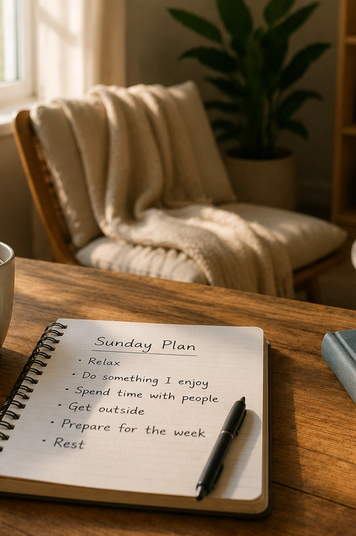
Rest begins to feel like a missed opportunity.
Someone enjoying a quiet weekend may wonder whether they should be building a business instead.
This pressure can make ordinary employment appear insufficient.
Having one job and protecting personal time may be treated as a lack of ambition.
But not everyone wants to become an entrepreneur.
Some people value stability, predictable hours, professional growth, family time, hobbies, or work that ends when the workday is over.
Ambition doesn’t have one form.
Building a business can be meaningful.
So can creating a life that doesn’t require constant work.
The future of work may be more flexible
The popularity of side hustles suggests that careers are becoming less linear.
People may move between employment, freelance work, entrepreneurship, consulting, creative projects, and periods of learning throughout their lives.
A side project may become a business.
A freelance skill may lead to a new career.
An online platform may create opportunities that didn’t previously exist.
The traditional career ladder isn’t disappearing.
But it’s no longer the only path.
People are creating professional lives that combine several interests, skills, and sources of income.
This flexibility may create more freedom.
It may also require stronger boundaries, financial planning, and the ability to manage uncertainty.
The side hustle reflects both freedom and pressure
The cultural power of the side hustle comes from the fact that it represents two different realities at the same time.
It can be a path toward independence, creativity, entrepreneurship, and financial security.
It can also reflect rising costs, uncertain employment, and the pressure to turn every available hour into income.
Neither story explains every experience.
For some people, a side hustle becomes the beginning of a successful business.
For others, it remains a small project that provides additional money or creative satisfaction.
And for many, the best choice may be not having one at all.
The value of a side hustle depends on what it adds to your life—and what it requires in return.
Success doesn’t always mean turning your evenings into another business.
Sometimes it means creating more income.
Sometimes it means creating more freedom.
And sometimes, the most valuable thing you can protect is time that doesn’t need to earn anything.