Why “Hustle Culture” Is Quietly Fading
For years, being busy became a status symbol. Long working hours were presented as evidence of ambition.
By Adam Byron on July 14, 2026
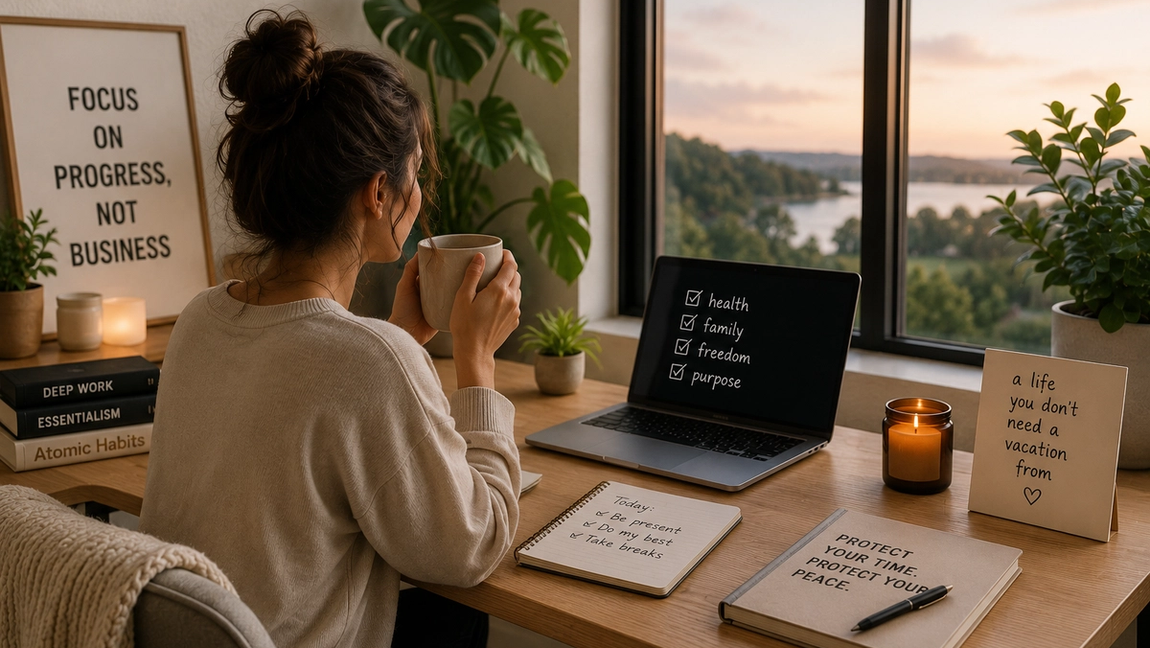
For years, being busy became a status symbol.
Long working hours were presented as evidence of ambition. Sleep was treated as something successful people sacrificed, weekends became opportunities to work ahead, and turning every hobby into an additional source of income was considered a sign of discipline.
Social media helped turn this lifestyle into an identity. Morning routines began before sunrise, calendars were filled from beginning to end, and phrases such as “rise and grind” made exhaustion sound like a necessary part of success.
But the attitude toward constant productivity is beginning to change.
More people are questioning whether a successful life should require permanent exhaustion. They still want meaningful careers, financial security, and opportunities to grow, but they are becoming less willing to sacrifice their health, relationships, and personal time to achieve them.
Hustle culture has not disappeared. However, its influence is becoming quieter as people search for ways to work that are ambitious without being unsustainable.
Burnout made the cost impossible to ignore
Hustle culture often presented exhaustion as temporary.
Work harder now, and life will become easier later. Accept every opportunity, stay available, and keep pushing until you reach the next promotion, income goal, or professional milestone.
The problem is that the finish line often moves.
A promotion creates new responsibilities. A growing business requires more attention. Higher income may lead to higher expenses and expectations.
Many people eventually discovered that they had built lives that required constant effort simply to maintain.
Burnout made the consequences more visible.
People began discussing chronic exhaustion, declining motivation, difficulty concentrating, disrupted sleep, and the feeling that work had taken over every part of life.
The cost was not limited to productivity.
Constant work affected relationships, physical health, creativity, and the ability to enjoy achievements once they arrived.
Rest could no longer be treated as a reward for finishing everything because the work was never completely finished.
The pandemic changed the way people viewed work
The pandemic disrupted routines that many people had assumed were permanent.
Millions experienced remote work, job uncertainty, changing responsibilities, illness, loss, and major shifts in daily life.
For some, working from home created greater flexibility.
For others, it removed the boundaries between professional and personal time.
Work entered kitchens, bedrooms, and living rooms. Messages continued after normal working hours, and many people felt that they were always available.
These experiences encouraged people to reconsider the role work should play in their lives.
Long commutes, unnecessary meetings, rigid schedules, and constant office presence no longer seemed essential in every profession.
People began asking different questions.
Instead of focusing only on salary and job titles, they considered flexibility, autonomy, purpose, time with family, and the ability to maintain a life outside work.
The pandemic did not create every concern about hustle culture.
It accelerated conversations that were already beginning.
Younger workers are redefining ambition
Younger generations are sometimes described as less willing to work hard.
That explanation may be too simple.
Many younger workers are ambitious, but they are questioning the belief that ambition must involve unlimited availability and personal sacrifice.
They have watched previous generations experience burnout, financial instability, layoffs, and limited loyalty from employers.
The traditional promise that long hours will automatically lead to security feels less convincing when housing costs are high, career paths are uncertain, and employment can change quickly.
As a result, many workers are placing greater value on flexibility, fair compensation, meaningful work, and clear boundaries.
They may still want promotions, leadership opportunities, and financial success.
They simply do not believe those goals should require giving every available hour to work.
This shift is not necessarily a rejection of effort.
It is a different definition of success.
Productivity is no longer measured only by hours
Hustle culture often confused time with value.
The person who arrived first, stayed latest, answered messages at night, and appeared constantly busy was assumed to be the most committed.
However, long hours do not always produce better results.
Fatigue affects concentration, creativity, decision-making, and the quality of work.
Someone working twelve distracted hours may accomplish less than someone completing several focused hours with clear priorities.
Technology has also changed what productivity looks like.
Automation, artificial intelligence, collaboration tools, and improved systems can reduce the time required for many tasks.
The goal is increasingly to work more effectively—not simply for longer.
Organizations are beginning to recognize that sustainable performance may create stronger long-term results than repeated periods of overwork.
Employees who have enough time to recover may think more clearly, solve problems more creatively, and remain in their roles longer.
Efficiency is slowly replacing exhaustion as a sign of professional value.
Rest is becoming part of success
For a long time, rest was treated as the opposite of ambition.
Taking time off created guilt. A quiet weekend felt unproductive. Sleep was something to reduce when responsibilities increased.
That attitude is changing.
More people understand that rest supports performance rather than preventing it.
Sleep affects memory, emotional regulation, concentration, and decision-making. Time away from work can create perspective and allow new ideas to develop.
Rest does not always mean doing nothing.
It may involve exercise, hobbies, travel, time with family, creative activities, or simply having parts of life that are not measured by professional achievement.
People are beginning to protect these activities because they recognize that work cannot provide every form of meaning, identity, and satisfaction.
The ability to rest without guilt may become one of the clearest signs that hustle culture is losing influence.
People are questioning the pressure to monetize everything
Hustle culture encouraged people to treat every interest as a potential business.
Photography could become freelance work. Cooking could become online content. A hobby could become a side income.
For some people, these opportunities created freedom and financial security.
For others, they removed the enjoyment from activities that once provided rest.
When every interest becomes another source of income, personal time begins to feel like additional work.
Creative activities become focused on audiences, algorithms, customers, and results.
More people are choosing to keep some hobbies private.
They are reading without building a personal brand, exercising without creating content, and making things without trying to sell them.
Not every interest needs to become productive.
Some activities are valuable because they are enjoyable.
Protecting hobbies from financial pressure can create parts of life where performance is not required.
Quiet success is becoming more attractive
Visible success has long received attention.
Expensive lifestyles, impressive job titles, packed schedules, and public achievements are easy to share.
But a quieter version of success is becoming increasingly appealing.
It may involve financial stability, flexible work, meaningful relationships, enough sleep, personal privacy, and control over your time.
This version may not look impressive online.
There may be fewer dramatic milestones and less public evidence of ambition.
However, it may provide something hustle culture often failed to deliver: a life that feels sustainable while it is being lived.
People are beginning to ask not only how much they can achieve, but what those achievements require them to sacrifice.
Success is becoming less about appearing constantly busy and more about having the freedom to decide how time is spent.
Work still matters—but it is no longer expected to be everything
The decline of hustle culture does not mean people have stopped caring about their careers.
Work can provide purpose, creativity, financial independence, community, and opportunities for growth.
Ambition remains important.
What is changing is the belief that work should become a person’s entire identity.
A meaningful life may include professional success without being organized entirely around it.
Relationships, health, family, rest, interests, and personal experiences also require time and attention.
The goal is not necessarily perfect balance.
Some periods will require more work than others.
Building a business, beginning a new role, or completing an important project may involve additional effort.
The difference is whether overwork is temporary and intentional—or treated as the permanent price of success.
A more sustainable definition of ambition
Hustle culture is fading because more people have experienced its limits.
They understand that constant work does not guarantee financial security, happiness, or long-term success.
Exhaustion is no longer automatically viewed as evidence of importance.
Being unavailable is no longer always considered a lack of commitment.
A slower approach does not mean abandoning goals.
It may mean choosing fewer goals, protecting energy, working with greater focus, and building a life that can continue without constant recovery.
The new version of ambition is less interested in appearing busy.
It values meaningful progress, financial stability, personal freedom, and enough time to enjoy what success creates.
Hustle culture promised that life would begin after the work was finished.
More people are realizing that the work may never be finished.
They are choosing to build lives they do not have to postpone.